


Foster Care
Hope Grows When You Meet Children Where They Are
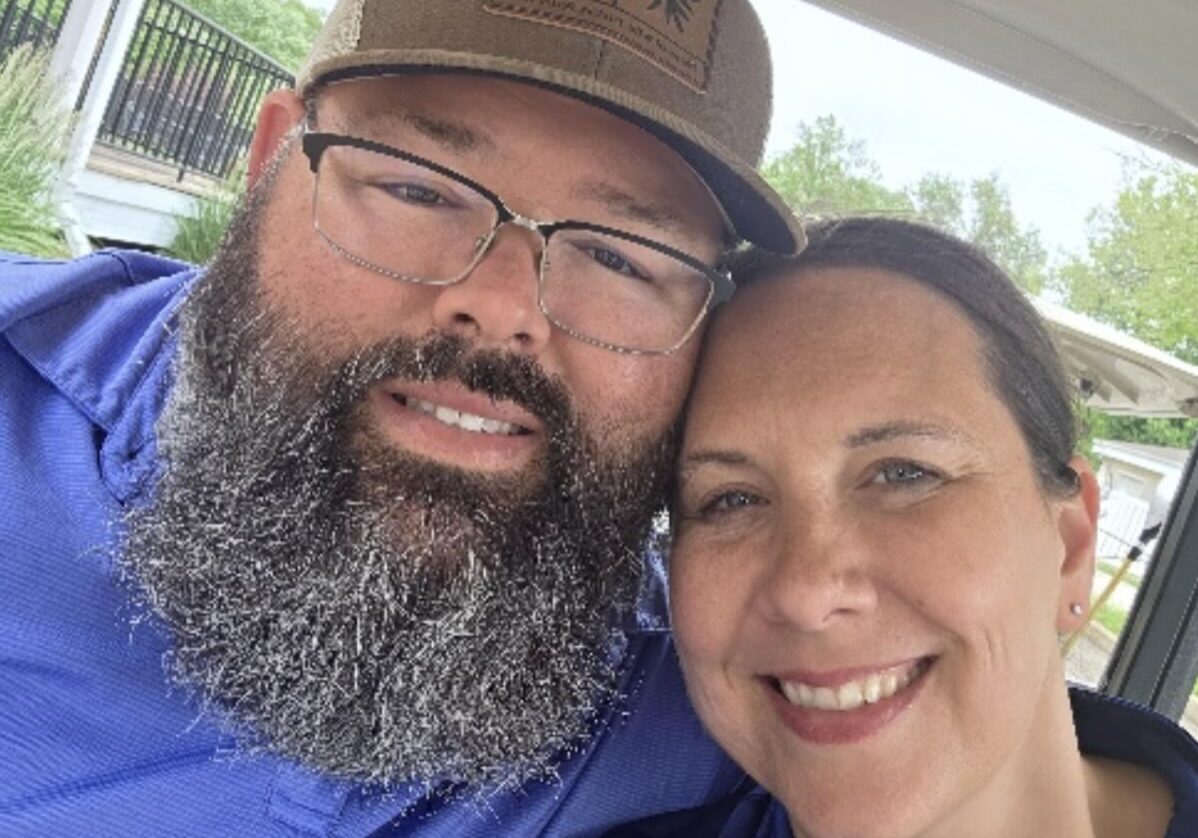
When Liz and her husband Bill first talked about a future together, they dreamed of raising a big family. “Everybody told us we were crazy,” Liz recalls with a laugh. “We said we wanted seven kids. We’ve gotten closer to that number than I ever thought we would.”
Today, the couple’s home in Hazelwood, just minutes from Catholic Charities of St. Louis’ Marygrove ministry, is often filled with laughter, noise, homework and the daily ups and downs of parenting both biological and foster children. Their story is one of resilience and faith and above all the belief that hope grows when you really see children for who they are.
An Early Start
Liz’s path to fostering began years ago, when she and her husband got to know a friend of Liz’s younger sister. Only later did they learn that she was in foster care. “We actually took classes to adopt her,” Liz says. “We were very young and our biological kids were little. The adoption was never finalized, but Liz and Bill remained in her life. In fact, they went to her wedding this year.
This first experience showed them both the challenges and the potential of foster care. They waited until their own children were older before opening their home again. Eight years ago, encouraged by a Marygrove staff member, they became licensed foster parents. Since then, several young people have found stability under their roof.
Meeting Children Where They Are
One of the most transformative lessons Liz and Bill have learned is to set aside preconceived ideas of how children “should” behave.
“You might get a 16-year-old who just wants to play Barbies,” Liz explains. “At first you think, that’s not age-appropriate. But then you realize this child was never allowed to be a kid. Meeting them where they are is the only way to help them grow.”
For Liz, this shift in thinking required humility and openness. “We used to think life was more predictable ‘If A then B,’ and kids would then behave a certain way. But kids with trauma don’t fit neat categories. Many of them have lived in fight-or-flight mode for a while. If you can help them feel safe, their brains can finally relax enough to learn the little things like manners, trust, even how to just say thank you. You have to meet them where they’re at.”
Cameron and Collin*: A Sibling Reunion
Some of Liz’s most profound experiences involve Cameron and Collin, twins now approaching 17. When Cameron first came to their home in 2019, she barely spoke, a condition known as selective mutism. “She would just point instead of talking,” Liz remembers. “We wondered how she could succeed in a family setting.”
After a year in their home, Cameron returned to Marygrove’s campus for more intensive therapy. But Liz and her husband remained her “people,” picking her up for outings and staying closely connected. A year later, Cameron came back home for good. Today, thanks to special school programs and relentless advocacy, she is thriving; she’s nearly on grade level and speaking freely. “She’s our success story,” Liz says proudly.
Her twin, Collin, joined the household later after living in a different foster home. “They hadn’t seen each other in years,” Liz says. “Marygrove helped bring them closer again, and now they’ve been reunited.” Rebuilding that sibling bond has been as meaningful as their individual progress.
Lessons for the Whole Family
Fostering has changed not only the young people who enter Liz’s home, but her biological children as well. Billy, now 18, sometimes jokes that his parents are “crazy,” but he also talks about fostering or adopting someday himself. Catherine, 15, Liz and Bill’s biological daughter, has wrestled with the challenges foster care can bring, yet teachers often tell Liz how compassionate Catherine is toward classmates with challenges. “She’ll say she misses just our four,” Liz admits, “but then I see her helping another kid and I know this experience is shaping her in powerful ways.”
A Million Little Moments
When asked about her most joyful memory, Liz doesn’t point to one big event, but to countless small reminders that her family has made a difference. Former foster youth still call on birthdays or holidays. One young man, who lived with them only three months, now calls Liz and her husband “mom and dad” and insists on keeping his picture displayed in their living room.
“To me, that’s success,” Liz says. “If they’re still calling, I know we did our job. We made them feel special, like they weren’t alone anymore.”
The Call to Foster
Liz is quick to acknowledge that fostering isn’t for everyone. “Your heart really has to be in it,” she says. “It’s hard and some days you question your decisions. But it’s also the most rewarding thing we’ve ever done. When you see a child relax, finally believe they’re wanted, and start to grow… that’s hope.”
For Liz and her family, hope doesn’t come from fixing every problem or ensuring every child’s future is perfect. It comes from showing up, creating stability and meeting children where they are. In those simple scenarios, hope does grow…for the children and for the parents who choose to love them.
*To safeguard their privacy, Liz and Bill’s family members are identified here by different names.